The 12 common symptoms of autism in adults include difficulty reading social cues, challenges with conversations, literal thinking, discomfort with eye contact, a strong need for routine, intense interests, sensory sensitivities, repetitive behaviors, executive functioning difficulties, emotional regulation challenges, social exhaustion, and a lifelong feeling of being different.
Autism Spectrum Disorder (ASD) is a neurodevelopmental condition that affects communication, social interaction, sensory processing, behavior, and information processing. While autism is often identified during childhood, many people do not receive a diagnosis until adulthood.
Adult autism can look very different from common stereotypes. Many autistic adults have successful careers, relationships, families, and active social lives. Others spend years wondering why certain parts of life seem more difficult for them than for other people. Understanding the common signs of autism can help you recognize patterns that may have existed throughout your life.
Also Read: Signs of AuDHD: Common Traits and How to Identify Them
Can Autism Go Undiagnosed Until Adulthood?
Yes. Many autistic adults are not diagnosed until their twenties, thirties, forties, or later.
Historically, autism assessments focused primarily on children. Many adults grew up before awareness of adult autism became widespread. Others developed coping strategies that helped them navigate school, work, and relationships without realizing they were masking autistic traits.
Autism can also overlap with conditions such as ADHD, anxiety disorders, depression, obsessive-compulsive disorder, and social anxiety. As a result, some adults receive treatment for related challenges without anyone recognizing the underlying autistic traits.
Receiving a diagnosis later in life often provides clarity. Many adults report that autism helps explain experiences they have had since childhood, including social challenges, sensory sensitivities, burnout, and feelings of being different from others.
Also Read: How to Get an Autism Assessment as an Adult?
What Are the 12 Symptoms of Autism in Adults?
1. Difficulty Reading Social Cues
One of the most common signs of autism in adults is difficulty interpreting social information.
Most communication involves more than words. Facial expressions, tone of voice, body language, and social context all provide information during interactions. Autistic adults may find these signals difficult to interpret or may process them differently.
You might struggle to determine when someone wants to continue a conversation, change the subject, or end the interaction. Group conversations can feel particularly challenging because multiple social cues occur simultaneously.
These challenges do not reflect a lack of intelligence or empathy. They reflect differences in social communication and information processing.
2. Challenges With Small Talk and Social Conversations
Many autistic adults find casual conversation difficult or exhausting.
Small talk often feels unnecessary because it lacks the depth or purpose found in more meaningful discussions. You may prefer conversations focused on ideas, interests, facts, or shared experiences rather than routine social exchanges.
Social conversations can also require significant mental effort. You may actively think about what to say, when to speak, how long to talk, and whether your response is socially appropriate.
Even enjoyable social interactions can become mentally draining because of the constant processing involved.
3. Literal Thinking and Difficulty Understanding Sarcasm
Autistic adults often interpret language more literally than others.
Sarcasm, idioms, metaphors, and indirect communication can create confusion because the intended meaning differs from the actual words being spoken.
For example, phrases such as “break a leg” or “spill the beans” may require conscious interpretation rather than immediate understanding.
Many autistic adults prefer direct communication because it reduces ambiguity. Clear instructions and explicit expectations often feel easier to navigate than implied meanings or vague requests.
4. Discomfort With Eye Contact
Eye contact is another area where autistic adults frequently differ from neurotypical individuals.
Some people avoid eye contact because it feels overwhelming or distracting. Others force themselves to maintain eye contact because they learned it was socially expected.
For many autistic adults, eye contact competes with listening. Maintaining visual focus on another person’s face can make it harder to process spoken information.
It is important to understand that eye contact alone cannot determine whether someone is autistic. Many autistic adults maintain eye contact, especially after years of social learning and masking.
5. Strong Need for Routine and Predictability
Many autistic adults rely on routines to create stability and reduce stress.
Predictable schedules help simplify daily life and reduce uncertainty. Changes that appear minor to others can feel disruptive because they require rapid adjustment.
You may prefer consistent daily habits, familiar environments, planned schedules, or established routines. Unexpected changes can create anxiety, frustration, or emotional distress.
Routine often serves as a tool for managing cognitive load rather than simply reflecting a personal preference.
6. Intense Interests and Deep Focus
Autistic adults often develop highly focused interests.
These interests may involve collecting information, building expertise, researching topics, or engaging in activities for extended periods.
Unlike casual hobbies, special interests often become significant sources of enjoyment, comfort, identity, and learning. Topics can range from science and technology to history, art, transportation, psychology, animals, sports, or countless other subjects.
Many autistic adults develop exceptional knowledge and skills within their areas of interest. This trait often contributes to academic achievement, professional expertise, and creative success.
7. Sensory Sensitivities
Sensory processing differences are common among autistic adults.
You may be unusually sensitive to sounds, lights, textures, smells, temperatures, or visual stimulation. Certain environments can become overwhelming because your brain processes sensory information differently.
Examples include discomfort from fluorescent lighting, difficulty tolerating loud restaurants, sensitivity to clothing textures, or strong reactions to certain smells.
Sensory overload occurs when incoming sensory information exceeds the brain’s ability to process it comfortably. This can lead to stress, exhaustion, irritability, or the need to leave an environment.
Some autistic adults also seek sensory input through activities such as using weighted blankets, listening to repetitive sounds, or engaging with specific textures.
8. Repetitive Behaviors and Stimming
Many autistic adults engage in repetitive behaviors known as stimming.
Stimming refers to self-regulating actions that help manage emotions, concentration, sensory experiences, or stress.
Examples include tapping fingers, pacing, rocking, fidgeting, humming, repeating words, or using sensory objects.
These behaviors serve a purpose. They often help regulate the nervous system, reduce anxiety, and improve focus.
Some adults suppress stimming in public because they fear judgment. However, stimming itself is a normal and common autistic trait.
9. Executive Functioning Difficulties
Executive functioning refers to the mental skills responsible for planning, organizing, prioritizing, managing time, and completing tasks.
Many autistic adults experience challenges in this area.
You may struggle to start tasks, switch between activities, estimate time accurately, organize information, or manage multiple responsibilities at once.
Large projects can feel overwhelming because it may be difficult to break them into manageable steps.
These challenges do not reflect laziness or lack of motivation. They result from differences in how the brain organizes and processes information.
10. Emotional Regulation Challenges
Many autistic adults experience emotions intensely.
Stress, frustration, excitement, sadness, and anxiety may feel stronger or more difficult to regulate. Emotional reactions can become overwhelming, especially when combined with sensory overload, unexpected changes, or social demands.
Some autistic adults experience meltdowns or shutdowns.
A meltdown occurs when emotional and sensory demands exceed a person’s coping capacity. A shutdown often involves withdrawal, reduced communication, or temporary difficulty processing information.
These experiences are neurological responses to overload rather than intentional behaviors.
11. Social Exhaustion and Autistic Burnout
Many autistic adults find social interaction exhausting.
Conversations require ongoing attention to social rules, body language, sensory input, and communication. This constant processing consumes mental energy.
You may need significant recovery time after social events, meetings, family gatherings, or work interactions.
Over time, chronic stress and prolonged masking can contribute to autistic burnout.
Autistic burnout often involves extreme exhaustion, reduced functioning, increased sensitivity, emotional distress, and difficulty managing daily responsibilities.
Burnout differs from ordinary fatigue because rest alone may not fully resolve it.
12. A Lifelong Feeling of Being Different
Many late-diagnosed autistic adults describe a persistent feeling of being different from others.
You may have spent years feeling out of sync socially, emotionally, or cognitively without understanding why.
Some people describe feeling as though everyone else received instructions for navigating life while they were left to figure it out independently.
This experience often appears across multiple stages of life, including school, friendships, dating, higher education, and employment.
For many adults, an autism diagnosis provides an explanation that helps connect experiences that previously seemed unrelated.
How Autism Symptoms Can Look Different in Adults
Autism presents differently from one person to another.
Some adults experience significant social communication challenges. Others experience primarily sensory difficulties, executive functioning problems, or emotional exhaustion.
The intensity of symptoms also varies. Two autistic adults may share a diagnosis while having very different strengths, challenges, and support needs.
This variability explains why autism is called a spectrum.
Autism in Women
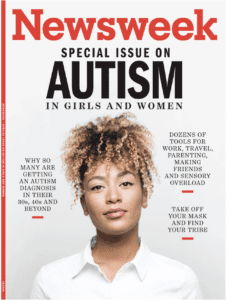
Autism in women often goes unrecognized.
Many autistic women develop strong masking skills from an early age. They may carefully observe social behavior, imitate peers, rehearse conversations, and suppress behaviors that draw attention.
As a result, their autism may be overlooked or mistaken for anxiety, depression, perfectionism, or personality traits.
Women frequently report chronic exhaustion from years of masking and social adaptation.
Because autism research historically focused on boys, many women do not receive accurate diagnoses until adulthood.
Autism in Men
Autistic men may display more visible social communication differences or repetitive behaviors.
However, there is no single male presentation of autism. Some men mask extensively, while others display traits more openly.
The core characteristics remain the same, although the way they appear can differ between individuals.
What Does High Masking Autism Look Like?
Masking involves consciously or unconsciously hiding autistic traits.
You may rehearse conversations before social events, study social rules, imitate facial expressions, force eye contact, suppress stimming, or create different social personas for different situations.
Masking can help people navigate social expectations, but it often comes with significant costs.
Many adults report anxiety, exhaustion, identity confusion, and burnout after years of masking.
What Autism in Adults Does Not Always Look Like
Many people avoid considering autism because they do not match outdated stereotypes.
Autistic adults can have successful careers, long-term relationships, advanced degrees, strong communication skills, and active social lives.
Some make eye contact. Some enjoy public speaking. Some have large social circles.
Autism is not defined by a single behavior. Clinicians evaluate patterns across communication, sensory experiences, behavior, development, and daily functioning.
Autism vs ADHD: How Are They Different?
Autism and ADHD share several overlapping traits, including executive functioning difficulties, sensory sensitivities, and social challenges.
However, important differences exist.
Autism primarily affects social communication, sensory processing, routines, and patterns of behavior.
ADHD primarily affects attention regulation, impulsivity, activity level, and executive functioning.
An autistic person may prefer routine and predictability. A person with ADHD often seeks novelty and stimulation.
Many people have both conditions. Research shows significant overlap between autism and ADHD.
A comprehensive evaluation helps identify which traits are present and how they interact.
When Should You Consider an Adult Autism Evaluation?
You may benefit from an autism evaluation if multiple symptoms described in this article strongly match your experiences.
Consider seeking an assessment if these traits affect relationships, work performance, daily functioning, mental health, or overall quality of life.
An evaluation can also help if you have spent years feeling different without understanding why.
The goal is not simply obtaining a label. The goal is gaining a clearer understanding of how your brain works and identifying strategies that support your well-being.
How Autism Is Diagnosed in Adults
Adult autism diagnosis involves a comprehensive evaluation performed by a qualified professional.
The process typically includes a detailed clinical interview, developmental history, standardized assessments, symptom questionnaires, and evaluation of current functioning.
Clinicians look for lifelong patterns rather than isolated behaviors.
The evaluation also considers other conditions that may explain or contribute to symptoms.
Because autism shares characteristics with ADHD, anxiety, trauma-related conditions, and mood disorders, a thorough assessment is essential.
Benefits of an Adult Autism Diagnosis
Many adults describe diagnosis as a turning point in self-understanding.
A diagnosis can provide explanations for lifelong experiences that previously felt confusing or isolating.
It can reduce self-blame, improve self-acceptance, strengthen relationships, and help individuals access appropriate accommodations and support.
Diagnosis also helps guide treatment planning when anxiety, depression, burnout, or ADHD occur alongside autism.
Frequently Asked Questions
What are the earliest signs of autism in adults?
Many adults report lifelong social differences, sensory sensitivities, strong interests, preference for routine, and feelings of being different from peers that began during childhood.
Can autism be mild?
Autism exists on a spectrum. Some people require substantial support, while others live independently and manage daily responsibilities successfully.
Can autism develop later in life?
No. Autism is a neurodevelopmental condition present from early development. However, some people do not recognize or receive a diagnosis until adulthood.
Is autism different in women?
The core features are the same, but women often mask symptoms more effectively, which can delay diagnosis.
What is autistic masking?
Masking involves suppressing autistic traits and adopting behaviors that help meet social expectations.
Can adults be diagnosed with autism?
Yes. Qualified mental health professionals can diagnose autism in adulthood through comprehensive evaluations.
Final Thoughts
The 12 common symptoms of autism in adults include difficulty reading social cues, challenges with conversation, literal thinking, discomfort with eye contact, preference for routine, intense interests, sensory sensitivities, repetitive behaviors, executive functioning difficulties, emotional regulation challenges, social exhaustion, and a lifelong feeling of being different. Not every autistic adult experiences every symptom, and no two people present exactly the same way. Autism exists on a spectrum, which means individual experiences vary significantly. If several of these signs reflect your experiences and have been present throughout your life, working with an Adult Autism Specialist can provide clarity, accurate diagnosis, and personalized recommendations that help you better understand your strengths, challenges, and support needs.