In recent years, more adults than ever are asking a deeply personal and often life-changing question: “Am I autistic?”
Searches for terms like “adult autism evaluation,” “late-diagnosed autism,” and “high-functioning autism in adults” have increased dramatically, and for good reason. Advances in research, changing diagnostic criteria, and increased awareness have reshaped how we understand autism spectrum disorder (ASD) in adults, especially those who were overlooked earlier in life.
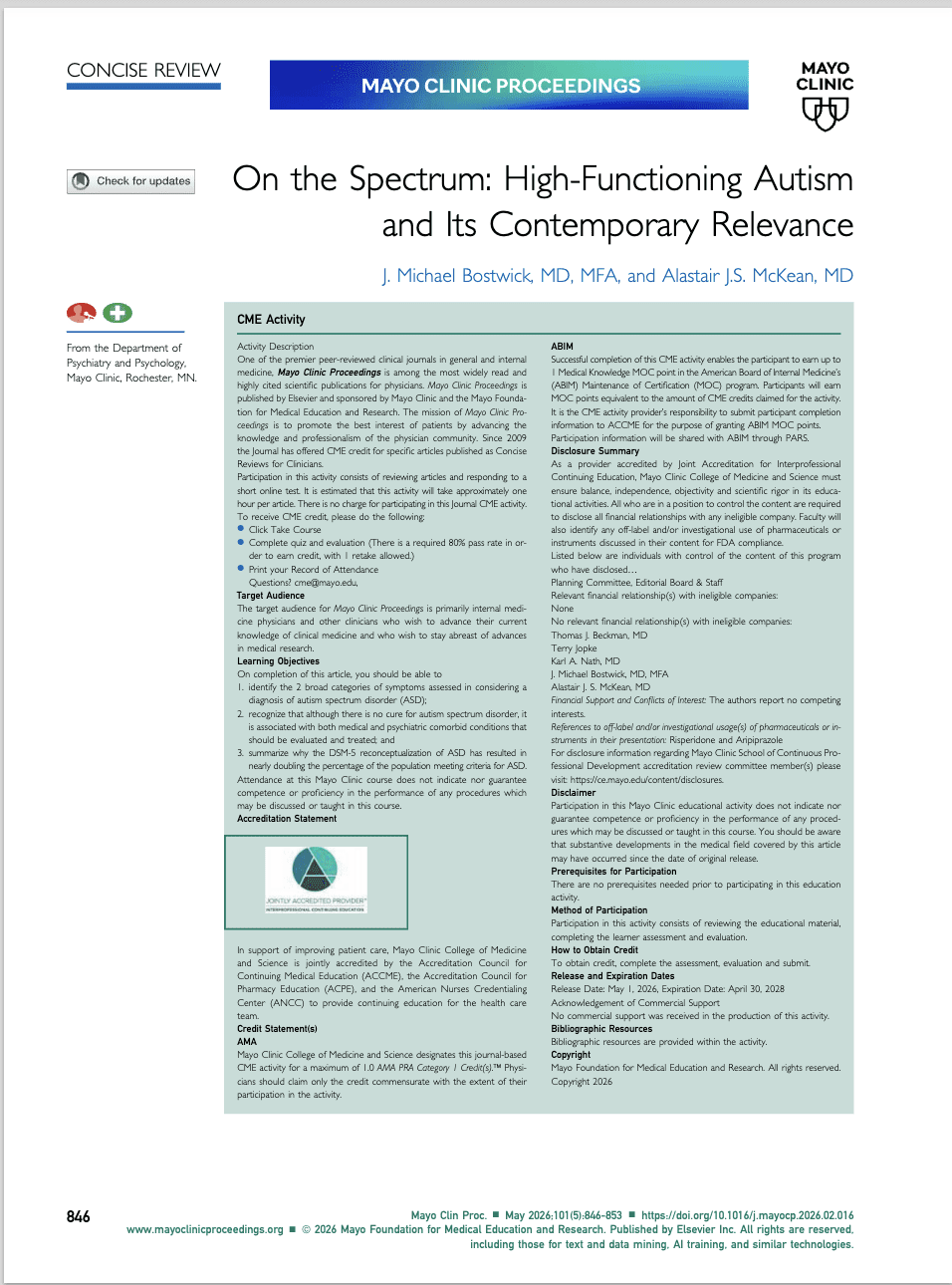
A major 2026 review in Mayo Clinic Proceedings highlights what many clinicians now see daily: adult autism, especially high-functioning autism, is frequently missed until adulthood, often after years of misdiagnosis or burnout.
Why Are So Many Adults Seeking Autism Evaluations?
The rise in adult autism diagnosis is not because autism is new, it’s because we’re finally recognizing it more accurately.
The DSM-5 consolidated previous diagnoses (including Asperger’s) into autism spectrum disorder, contributing to a significant increase in identification. Today, approximately 1 in 45 adults may be autistic, many of whom were never diagnosed as children.
These individuals often:
- Excel academically or professionally
- Develop strong coping strategies
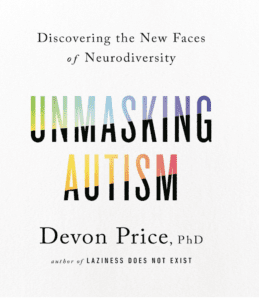
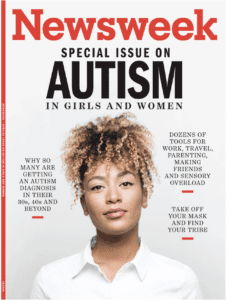
- Engage in masking in autism (hiding or compensating for differences)
As a result, many high-achieving adults, especially women, are now seeking adult autism testing and neurodiversity-affirming evaluations for clarity and validation.
What Does High-Functioning Autism Look Like in Adults?
Adults with high-functioning autism (often referred to as Level 1 ASD) typically show differences in two core areas:
Social Communication Differences
Adults may experience:
- Difficulty with back-and-forth conversation
- Trouble reading social cues or body language
- Challenges with friendships, dating, or workplace relationships
Many clients who seek an autism evaluation for adults describe lifelong confusion in social settings, even when they appear socially capable on the surface.
Repetitive Behaviors, Routines, and Sensory Differences
Common experiences include:
- Strong need for routine and predictability
- Distress with change or transitions
- Intense interests or areas of expertise
- Sensory sensitivities (noise, textures, light)
These traits are often misunderstood as anxiety, perfectionism, or personality quirks rather than autism in adulthood.
The Hidden Experience: Masking and Late-Diagnosed Autism
One of the most important developments in understanding late-diagnosed autism in adults is the concept of autistic masking.
Many individuals, particularly those searching for “autism in women” or “autism in high-masking adults”, learn to:
- Rehearse conversations
- Imitate social behavior
- Suppress natural responses
While masking can improve social acceptance, it often leads to:
- Burnout
- Anxiety and depression
- Identity confusion
This is why many adults don’t seek an adult autism assessment until their 30s, 40s, or later, often during periods of stress, career disruption, or relational challenges.
Why Do Adults Pursue an Autism Diagnosis?
People seeking adult autism evaluations online or via telehealth often report:
- Chronic workplace struggles or job loss
- Relationship difficulties
- Long-standing anxiety or depression
- Feeling “different” or misunderstood
- A desire for deeper self-understanding
Importantly, a diagnosis is not just about labeling, it’s about clarity, validation, and support.
Autism and Co-Occurring Conditions
Many adults searching for “ADHD vs autism in adults” or “anxiety and autism” discover that autism often co-occurs with:
- ADHD
- Depression
- Anxiety disorders
- Sleep issues
- Gastrointestinal conditions
This overlap is one reason why adult autism diagnosis is often delayed, symptoms are misattributed to other conditions.
There Is No Cure—But There Is Effective Support
A neurodiversity-affirming autism evaluation recognizes that autism is not something to “fix.”
Instead, support focuses on:
- CBT for autistic adults
- Social communication strategies
- Occupational therapy
- Workplace accommodations
- Managing co-occurring mental health conditions
The goal is to help individuals reduce burnout, improve relationships, and build sustainable, fulfilling lives.
Why an Adult Autism Diagnosis Can Be Life-Changing
For many, receiving a diagnosis through a comprehensive adult autism assessment offers:
- Relief and validation
- A new understanding of lifelong patterns
- Reduced self-blame
- Access to accommodations and resources
- Stronger self-acceptance
In this sense, diagnosis becomes a powerful tool for identity integration and mental health.
A Neuroaffirming Perspective on Autism
Increasingly, people are searching for “neuroaffirming autism evaluation” and “neurodiversity-affirming psychologist”, reflecting a shift away from deficit-based models.
Autism is also associated with strengths, including:
- Deep focus
- Pattern recognition
- Creativity
- Authenticity
A neuroaffirming approach honors both challenges and strengths while supporting each individual’s goals.
If You’re Wondering “Am I Autistic?”
If you’ve been searching for:
- “Am I autistic as an adult?”
- “Signs of autism in women”
- “High-functioning autism symptoms adults”
- “Adult autism evaluation near me”
You’re not alone.
A high-quality, specialized adult autism evaluation can help you better understand your brain, your experiences, and what support might help you thrive.