Many adults who seek an autism evaluation later in life describe the same experience. They have spent years feeling different, overwhelmed, or out of sync, yet never had a clear explanation for why.
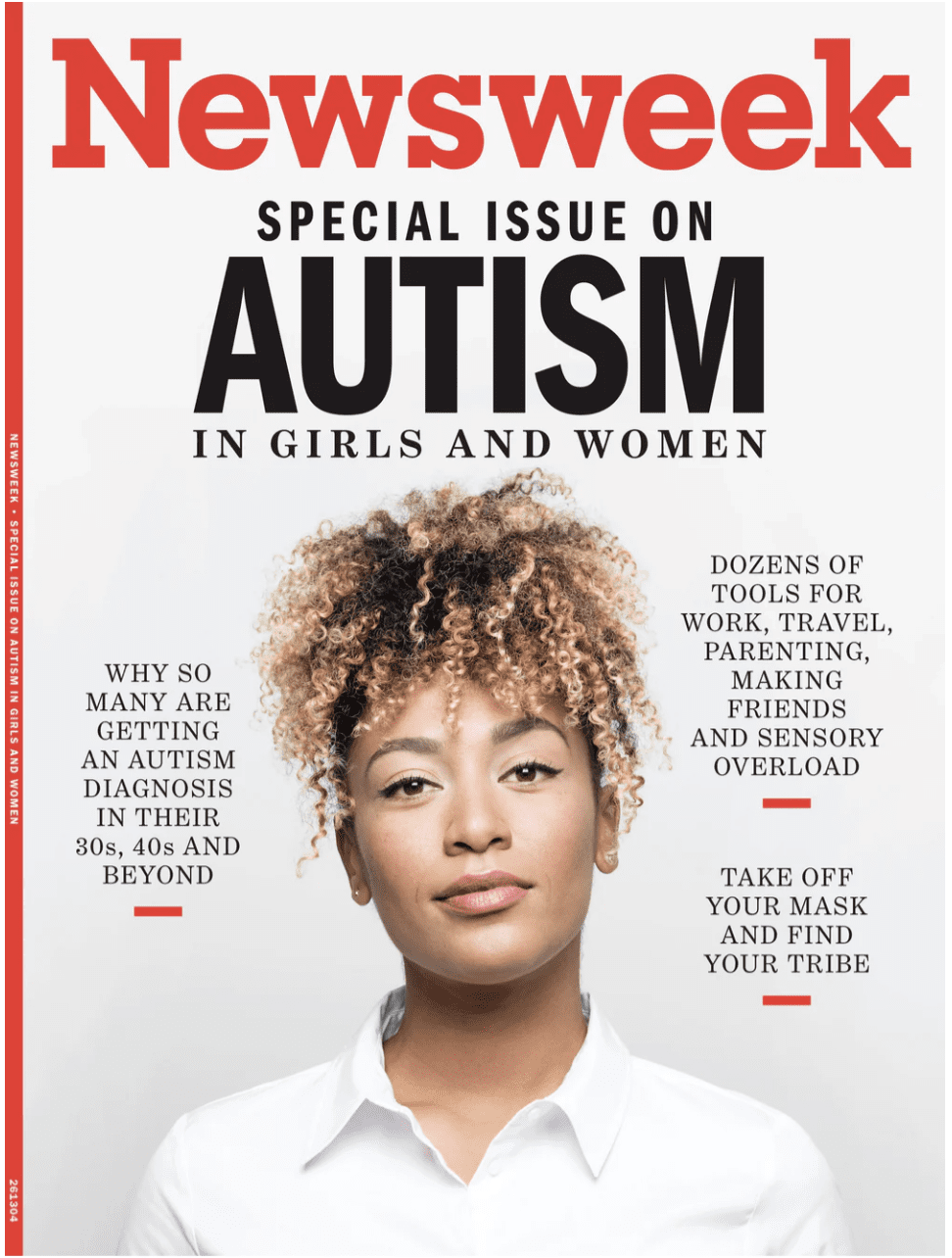
Late diagnosed autism in women is far more common than most people realize. At Adult Autism Specialist, many clients come to evaluation after decades of misdiagnosis or being overlooked entirely. This pattern reflects a broader problem in how autism in women and high masking autistic adults has historically been understood.
Why Autism in Women Is Frequently Missed
Autism diagnostic criteria were originally developed based on studies of boys. As a result, the most widely recognized signs of autism tend to reflect male presentations.
Autism in adult women often looks different.
Many autistic women learn early to observe and imitate social behavior. They may maintain eye contact, engage in conversation, and appear socially capable. However, this external presentation often masks significant internal effort.
Because many clinicians rely on outward behavior during brief assessments, autism can go unrecognized. What is often missed is the cognitive load required to navigate social interaction, as well as the exhaustion that follows.
This gap contributes directly to delayed autism diagnosis in women.
High Masking Autism in Adults
High masking autism is one of the most important factors in underdiagnosis.
Masking involves consciously or unconsciously suppressing autistic traits and adopting socially expected behaviors. This can include rehearsing conversations, copying others’ expressions, forcing eye contact, or monitoring tone and body language.
Over time, masking can become automatic. Many late diagnosed autistic adults report that they did not initially recognize they were masking because it felt necessary for acceptance.
While masking can help individuals function in social environments, it often leads to burnout, anxiety, and identity confusion.
For clinicians, masking creates a challenge. A person may appear socially fluent while internally experiencing sensory overwhelm, difficulty processing social cues, or intense fatigue.
Without assessing masking directly, autism in high functioning women is often overlooked.
Common Misdiagnoses of Autism in Women
When autism is not identified, other diagnoses are often given instead.
Common misdiagnoses include anxiety disorders, depression, obsessive compulsive disorder, eating disorders, and personality disorders. While these diagnoses can reflect real experiences, they often do not capture the full picture.
For example, anxiety may be linked to sensory sensitivity or social unpredictability. Depression may stem from long-term burnout or chronic invalidation. Emotional dysregulation may reflect cumulative stress rather than a personality disorder.
Many clients who seek an adult autism evaluation report that previous treatments did not fully address their underlying experiences.
Recognizing autism can shift the clinical understanding in a way that allows for more accurate, affirming support.
The Role of Gender and Socialization
Social expectations play a major role in the underidentification of autism in women.
Girls are often taught to be socially aware, accommodating, and emotionally intuitive. Many autistic girls work hard to meet these expectations, even when it feels effortful or unnatural.
Special interests may also be overlooked when they align with socially accepted topics such as reading, animals, or psychology. These interests may be intense and central to identity, yet not recognized as autistic traits.
In addition, many autistic girls internalize distress. Instead of behavioral concerns that lead to early evaluation, they may present as anxious, perfectionistic, or highly sensitive.
These patterns contribute to late diagnosed autism in adult women.
Signs of Autism in High Masking Women
While every individual is different, there are common themes often reported by late identified autistic women:
- Chronic social exhaustion despite appearing socially capable
- A strong need for downtime after interactions
- Sensory sensitivities related to sound, light, texture, or environments
- Rehearsing conversations or overanalyzing social interactions
- Feeling like you are performing rather than being yourself
- A lifelong sense of being different without knowing why
- Cycles of burnout or shutdown
Recognizing these patterns can be an important step toward clarity.
The Emotional Impact of Late Diagnosis
Many late diagnosed autistic women describe a mix of relief and grief.
Relief comes from finally understanding lifelong experiences. Grief often arises when reflecting on years of missed recognition and support.
There can also be a shift in self-perception. Experiences that were once attributed to personal failure may be understood instead as differences in neurotype interacting with an environment that did not accommodate those differences.
For many, an adult autism diagnosis creates the opportunity for greater self-understanding, more aligned decision making, and reduced self-blame.
Adult Autism Evaluations at The Adult Autism Specialist
At Adult Autism Specialist, evaluations are designed specifically for adults, including high masking individuals and women who were not identified earlier in life.
The process goes beyond surface-level observation and includes:
- In-depth developmental history
- Exploration of masking and compensatory strategies
- Attention to internal experience, not just external behavior
- A neurodiversity-affirming framework that respects self-identification
The goal is not simply to determine whether someone meets diagnostic criteria, but to provide meaningful clarity.
Considering an Autism Evaluation
If you are questioning whether you may be autistic, especially after years of confusion or misdiagnosis, you are not alone.
Late diagnosis does not make your experiences less valid. It often reflects how autism has historically been understood and who has been overlooked.
Seeking an adult autism evaluation can be an important step toward understanding your brain, your needs, and your experiences in a more accurate and compassionate way.