
Signs of AuDHD: Common Traits and How to Identify Them
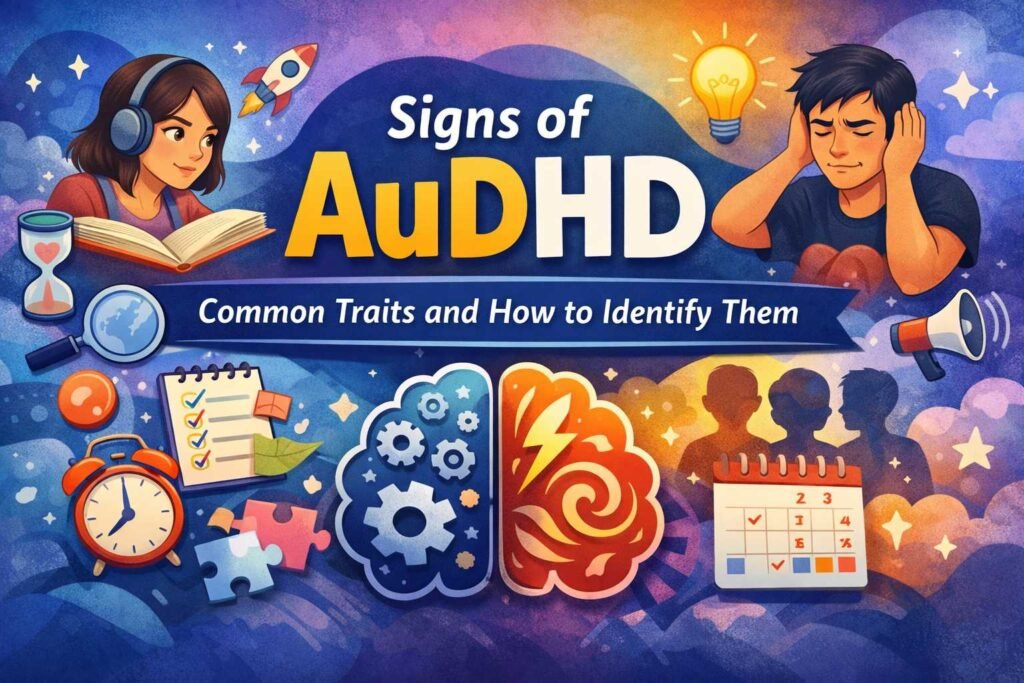
Signs of AuDHD include intense focus on specific interests, difficulty starting or finishing tasks, sensory sensitivity, emotional intensity, social fatigue, and a strong need for routine combined with a desire for change. AuDHD describes the co-occurrence of autistic traits with attention regulation differences that create a unique and often contradictory pattern in daily functioning. What […]
Before & After: How Understanding Autism Can Transform Self‑Perception

For many autistic adults, gaining clarity about their neurotype, whether through diagnosis or self‑discovery, creates a profound shift in how they understand themselves. Long‑standing struggles begin to make sense. Patterns that once felt confusing or isolating become understandable, nameable, and manageable. Below are examples of how common experiences can change before and after someone understands […]
How I Conduct an Adult Autism Evaluation

If you’ve ever wondered what actually happens during my adult autism evaluation process, this page offers a transparent, step‑by‑step look at what to expect. My approach is structured, evidence‑based, and deeply person‑centered. Every step is designed to help you feel informed, supported, and understood. Step 1: We Begin With a Video Consultation Everything starts with […]
What Is a Neurotype?

A neurotype refers to the way a person’s brain processes information, senses, emotions, communication, and the world around them. It’s essentially someone’s neurological style, their characteristic pattern of thinking, feeling, perceiving, relating, and navigating life. Just as people have different personality types, learning styles, or temperaments, they also have different neurotypes. “Autistic” and “non‑autistic” (often […]
Neuroaffirming vs. Non‑Neuroaffirming Language
Language has the power to shape how people understand themselves, how they are treated, and how society views human difference. When it comes to autism, language can either support and empower, or harm and misrepresent. Neuroaffirming language reflects the understanding that neurological diversity is a natural part of human variation. Non‑neuroaffirming language, on the other […]
Myth vs. Fact: What You Think You Know About Autism Might Not Be True
Public understanding of autism has grown, but many long‑held misconceptions still shape how autistic adults are perceived, and how many go undiagnosed or misunderstood. This page offers a clear, research‑aligned, and lived‑experience‑informed look at what autism actually is (and isn’t). Myth 1: “If you made it to adulthood without being diagnosed, you can’t be autistic.” […]